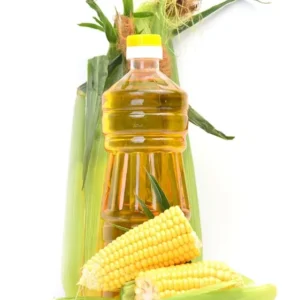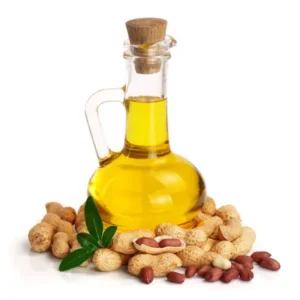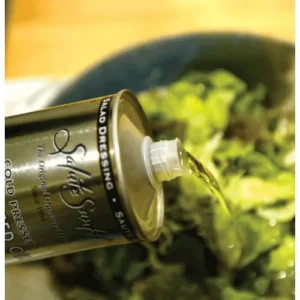
Many people invest in premium cooking oils but unknowingly shorten their shelf life through improper storage. Exposure to heat, light, oxygen, and moisture can gradually reduce oil quality.
At Uleide Gabudul Einatural, we believe customers deserve products that remain fresh from purchase to the last drop. Proper storage helps preserve flavor, aroma, and cooking performance.
Why Proper Storage Is Important
Cooking oils naturally react with:
- Heat
- Oxygen
- Sunlight
- Moisture
These factors can accelerate oxidation, leading to unpleasant odors and diminished quality.
Store Away from Sunlight
Direct sunlight speeds up oil degradation.
Keep bottles:
- Inside kitchen cabinets
- In shaded pantries
- Away from windows
Dark storage conditions help maintain freshness.
Avoid High Temperatures
Never store oil:
- Near stoves
- Beside ovens
- Above refrigerators
- Close to grills
Cool environments help extend shelf life.
Keep Containers Tightly Closed
Air exposure encourages oxidation.
Always replace the cap immediately after use to minimize contact with oxygen.
Use Clean Utensils
Never dip wet or dirty spoons into cooking oil.
Contaminants can introduce moisture and microorganisms that affect quality.
Buy the Right Size
Choose container sizes that match your household’s consumption.
If you cook frequently, larger containers may be practical. For occasional use, smaller bottles help ensure the oil is consumed while still fresh.
Signs That Oil Has Gone Bad
Discard cooking oil if you notice:
- A rancid or sour smell
- Unusual darkening
- Thick or sticky texture
- Off flavors in cooked food
Fresh oil should have a clean, neutral aroma.
Can Cooking Oil Be Refrigerated?
Most refined cooking oils do not require refrigeration. In fact, refrigeration may cause temporary cloudiness, though this usually disappears once the oil returns to room temperature.
For most households, storing oil in a cool, dry cupboard is sufficient.
Reusing Cooking Oil Safely
If oil has been used for frying:
- Allow it to cool completely.
- Strain out food particles.
- Store it in a clean, sealed container.
- Reuse only a limited number of times, depending on the type of food cooked and the oil’s condition.
- Discard it if it develops a strong odor, excessive darkening, or smokes at lower temperatures than usual.
Avoid mixing fresh oil with heavily used oil.
Packaging Makes a Difference
High-quality packaging protects oil from contamination and light.
At Uleide Gabudul Einatural, we prioritize secure, food-safe packaging that helps preserve freshness throughout distribution and storage.
Tips for Commercial Kitchens
Restaurants and catering businesses should:
- Rotate stock using the “first in, first out” principle.
- Label containers with opening dates.
- Store oil away from heat-producing equipment.
- Inspect oil regularly for signs of degradation.
Good storage practices help maintain consistent food quality and reduce waste.
Why Quality Starts with the Brand
Even the best storage practices cannot compensate for poor-quality oil. Choosing a trusted supplier ensures you start with a product that meets high standards for purity and freshness.
Uleide Gabudul Einatural is committed to delivering cooking oils that customers can rely on for everyday meals and professional food preparation.
Final Thoughts
Proper storage is a simple yet essential step in preserving the quality of your cooking oil. By protecting it from heat, light, air, and contamination, you can enjoy better-tasting meals and make the most of every bottle.
When you choose Uleide Gabudul Einatural, you’re choosing quality from production to your kitchen. Combine premium cooking oil with proper storage, and you’ll be well on your way to healthier, more flavorful cooking every day.